
Speyside, Scotland: More Than Just Whisky (But the Whisky's Excellent)
Speyside, Scotland doesn’t shout for attention the way Edinburgh does. It doesn’t have the drama of the Isle of Skye or the postcard fame of the Highlands’ glens. What it has: half of Scotland’s distilleries, the River Spey cutting through green hills, and a quiet confidence that comes from making some of the world’s best single malts for centuries. For travelers curious about Scotland’s whisky regions, Speyside is the heartland.
For advisors with clients who love whisky, Speyside whisky is an easy yes. But it’s also the right call for travelers who want a taste of rural Scotland without feeling remote, couples who need a mix of culture and scenery, and families who want castles and rivers alongside the occasional dram. It’s a perfect balance of Speyside distilleries, river walks, and small Scottish towns.
Let’s break down what makes this region work, and how to sell it without needing a degree in malted barley.
Where is Speyside, and why does it matter?
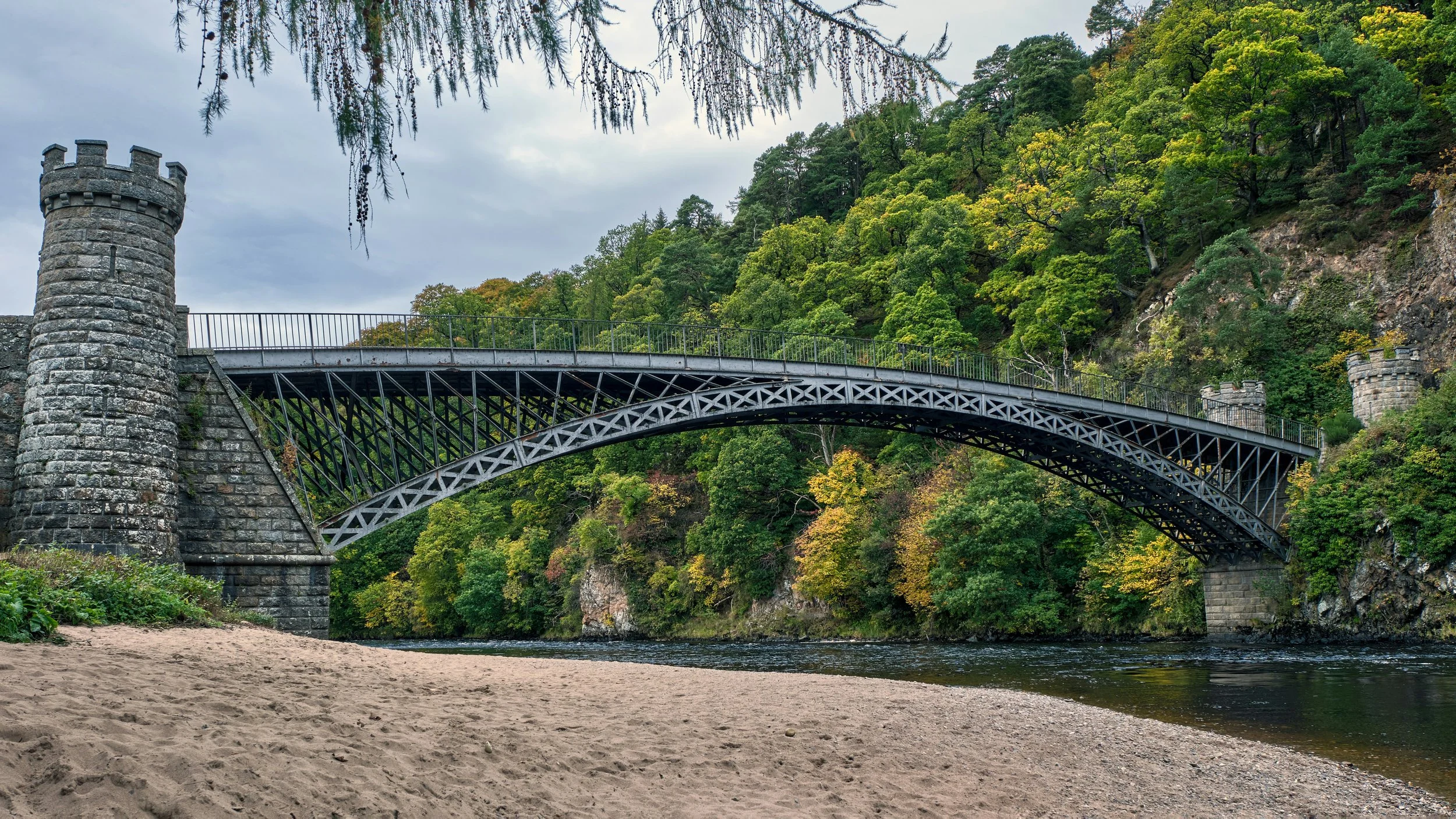
River Spey, Scotland
Speyside sits in northeast Scotland, roughly between Inverness and Aberdeen. The region follows the River Spey and its tributaries through rolling farmland, forests, and whisky towns with names like Dufftown, Aberlour, and Craigellachie, all key stops on a Speyside whisky trail.
It’s an easy add to a Scotland itinerary:
2–3 hours from Edinburgh by car
1 hour south of Inverness
Pairs well with the Cairngorms National Park, Royal Deeside, or a coastal loop through Aberdeen
The landscape is gentler than the western Highlands but still feels distinctly Scottish. Think stone bridges, working farms, and distillery pagodas dotting the skyline instead of skyscrapers. It’s rural, but not remote, a sweet spot for Speyside travel.
The whisky angle (and how to talk about it)
Speyside produces more whisky than any other Scottish region. Over 50 Speyside distilleries operate here, from household names like Glenfiddich and Macallan to small family operations your clients have never heard of. For anyone planning whisky tours in Scotland, Speyside is non-negotiable.
What makes Speyside whisky different?
Generally smoother and sweeter than the peaty, maritime styles from Islay or the Islands. Speyside malts often feature fruit, honey, and vanilla notes. They’re approachable for beginners but still complex enough to keep enthusiasts engaged, ideal for mixed groups on a Speyside whisky tour.
Which distilleries should advisors recommend?
It depends on the client, but here’s a quick sorting system:
For first-timers or casual drinkers:
Glenfiddich: Polished, professional tours with tasting options at multiple levels. Easy to book, reliably good, and a solid introduction to Speyside whisky.
Balvenie: Same ownership as Glenfiddich, but smaller scale and more craft-focused. The cooperage tour is a standout and a great story to tell in any Speyside Scotland travel guide.
For whisky enthusiasts:
Macallan: High-end experience with architectural flair. Book well in advance for serious fans building a whisky-focused trip to Scotland.
Aberlour: Intimate tours, including a “warehouse demonstration” that gets into blending and cask types.
Glenfarclas: Family-owned for six generations. Less polished, more personal, ideal for clients who’ve done the big names.
For something off the beaten path:
Benromach: Small batch, hands-on approach. Great for clients who want to avoid crowds and feel like they’ve found a hidden gem in Speyside.
Strathisla: The oldest operating distillery in the Highlands, and absurdly photogenic. A favorite stop on a curated Speyside itinerary.
Most distillery tours in Speyside require advance booking. We handle that, along with timing the stops so your clients aren’t doing back-to-back tastings at 10 a.m. and losing the afternoon.

Beyond the distilleries: what else Speyside offers
Whisky is the headline, but it’s not the whole story. Clients who don’t drink (or who need a break between tours) have plenty to do in Speyside, Scotland.
The Spey itself:
This river is famous for salmon fishing, and even non-anglers appreciate the setting. The Speyside Way is a long-distance walking trail that follows the River Spey through forests and farmland. Clients don’t need to hike the whole thing; we can arrange guided sections with picnic stops or wildlife spotting as part of a broader Speyside travel plan.
Market towns with actual character:
Dufftown bills itself as the “malt whisky capital of the world” and backs it up with seven working distilleries in the area. The town itself is compact, walkable, and lined with independent shops and cafes.
Aberlour is quieter, with a village green, a few good restaurants, and access to riverside walks. Craigellachie has the famous Craigellachie Hotel (a whisky bar with over 900 bottles) and the Fiddichside Inn for solid pub food.
These aren’t tourist traps. They’re working towns in Speyside, Scotland that happen to welcome visitors well.
Castles and estates:
Ballindalloch Castle sits just outside the region and offers tours of a lived-in family home (still occupied, still working). It’s less formal than some of the bigger Highland estates, which some clients prefer.
Brodie Castle (a bit north toward the coast) has walled gardens and an impressive art collection. Both make for easy half-day stops on a Speyside itinerary.
Outdoor access without the effort
The Cairngorms National Park borders Speyside to the south. Clients can take the funicular railway up Cairn Gorm for views without the hike, or we can arrange guided walks, mountain biking, or even winter sports depending on timing.
For something gentler, the Moray Coast is 30 minutes north. Quiet beaches, dolphin watching from Spey Bay, and coastal villages that feel untouched by tourism round out the softer side of a Speyside Scotland trip.
How Speyside fits into a Scotland itinerary
Speyside works best as a two or three night stop, not a day trip. It rewards slowing down and is surprisingly flexible within a Scotland whisky itinerary.
Common pairings:
Edinburgh to Inverness route: Speyside slots in naturally between the two, with optional stops in Pitlochry or Royal Deeside.
Whisky-focused trip: Pair Speyside with Islay for contrast (smooth vs. peaty), then loop back through Glasgow.
Active Scotland: Combine Speyside with the Cairngorms for hiking, then head west toward Fort William or Skye.Coastal and country: Start in Aberdeen, move through Speyside, finish in Inverness with a Loch Ness stop.
We also design standalone Speyside itineraries for clients who want depth over breadth. Three nights, four distilleries, riverside dinners, and no rushing.
Logistics we handle (so you don’t have to)
Speyside isn’t complicated, but it does require local knowledge. Speyside distillery tours book up weeks in advance during summer. Some roads are single-track.
We manage all of the logistics: driver-guides so guests can safely enjoy tastings, pre-arranged distillery visits, or other activities for mixed days. Your client gets a seamless Speyside Scotland trip. You get the credit.
Plan a Speyside trip with North & Leisure
Speyside is one of those regions that surprises clients. They come for the Speyside whisky and leave talking about the river, the villages, and the sense of unhurried time. We’ll help you design the Speyside travel experience that fits your client’s interests, whether that’s distillery-heavy or balanced with Scotland’s quieter side.